Pharaoh sites

Twelve open-air pharaonic site cards, condensed and rotated

This is the section for the temples, the tombs and the pyramids — the open-air pharaonic sites that, unlike the museums, are walked rather than browsed. The twelve cards below cover the sites that justify the heat: the Giza plateau, Saqqara and Dahshur, the Theban temple complexes at Karnak and Luxor, the Valley of the Kings and Queens, Hatshepsut at Deir el-Bahari, Medinet Habu, the river-side temples on the Nile-cruise leg (Edfu, Esna, Kom Ombo), Philae and Abu Simbel in the south, and Dendera and Abydos out of Sohag. Each card includes the current opening hours, the ticket-tier breakdown in Egyptian pounds, the supplement rules, the one room or pylon worth your time, the one to skip, and the side door that bypasses the main queue or the guide-pressure at the entrance.

A practical note before the cards. Open-air pharaonic sites in Egypt are walked, not browsed — they require shade planning, sun protection, water, sensible shoes and an honest assessment of how much heat you can tolerate. Most of the cards below carry a "best window" recommendation that is genuinely the difference between a memorable visit and a miserable one. Karnak in May at 14:00 is unpleasant; Karnak in May at 07:00 is breathtaking. The cards do not pad these recommendations, and we have no incentive to underplay the discomfort: we walk these sites four times a year and the desk would rather you have a good visit than a bookable one.

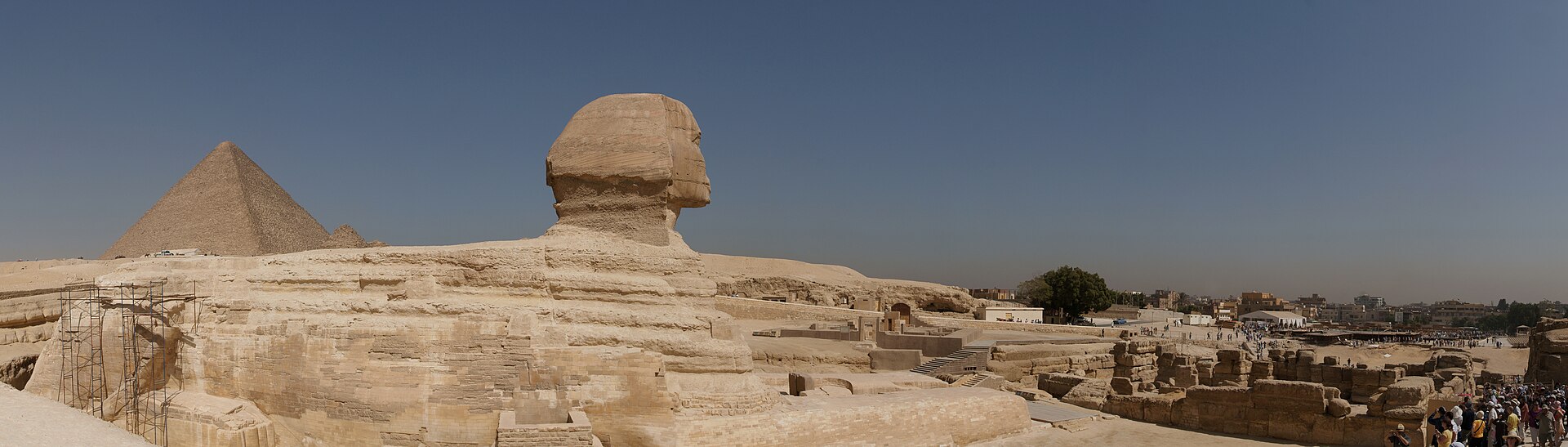
Great Pyramid of Giza and the Sphinx at the Giza plateau
Giza · Major

Card 014 — The Giza Pyramids and the Sphinx

Open 07:00–17:00 (extended to 19:00 May–September). Ticket EGP 540 base; EGP 900 Khufu interior; EGP 350 Khafre interior; EGP 200 Solar Boat Museum. Recommended half a day. Worth: the panoramic point south of Khafre (free, easily found, no guide needed), Khufu interior if you have never been inside a pyramid, the Sphinx amphitheatre at 16:00 when the light is right. Skip: the camel touts at the gate. Side door: the back entrance from Pyramids Road avoids the village touts. Last rotated April 2026 (S.M.).
Giza card #001Read full card →
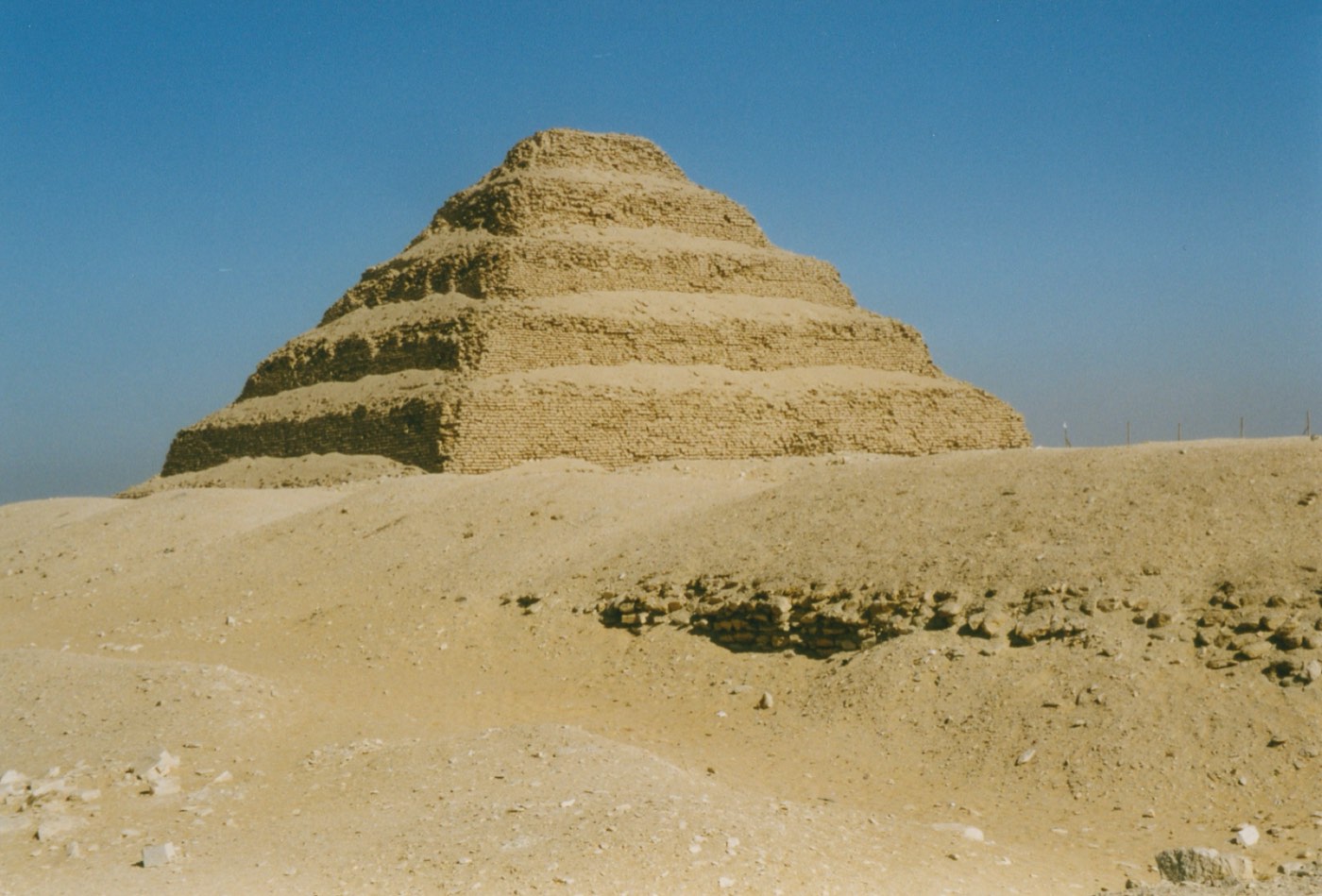
Step Pyramid of Djoser at Saqqara with the funerary complex in the foreground
Memphis area · Half-day

Card 017 — Saqqara and the Step Pyramid

Open 08:00–17:00 daily. Ticket EGP 450 base; supplements for the Serapeum (worth it), the Tomb of Mereruka and the new southern tomb field. Recommended 3 hours combined with Dahshur. Worth: the inner colonnade of the Djoser complex (just restored), the Serapeum, the Tomb of Mereruka relief programme. Skip: the Imhotep Museum on the way in unless you have not visited a museum yet. Side door: arrive before the tour buses (08:30 cut-off). Last rotated March 2026 (S.M.).

Memphis card #001Read full card →
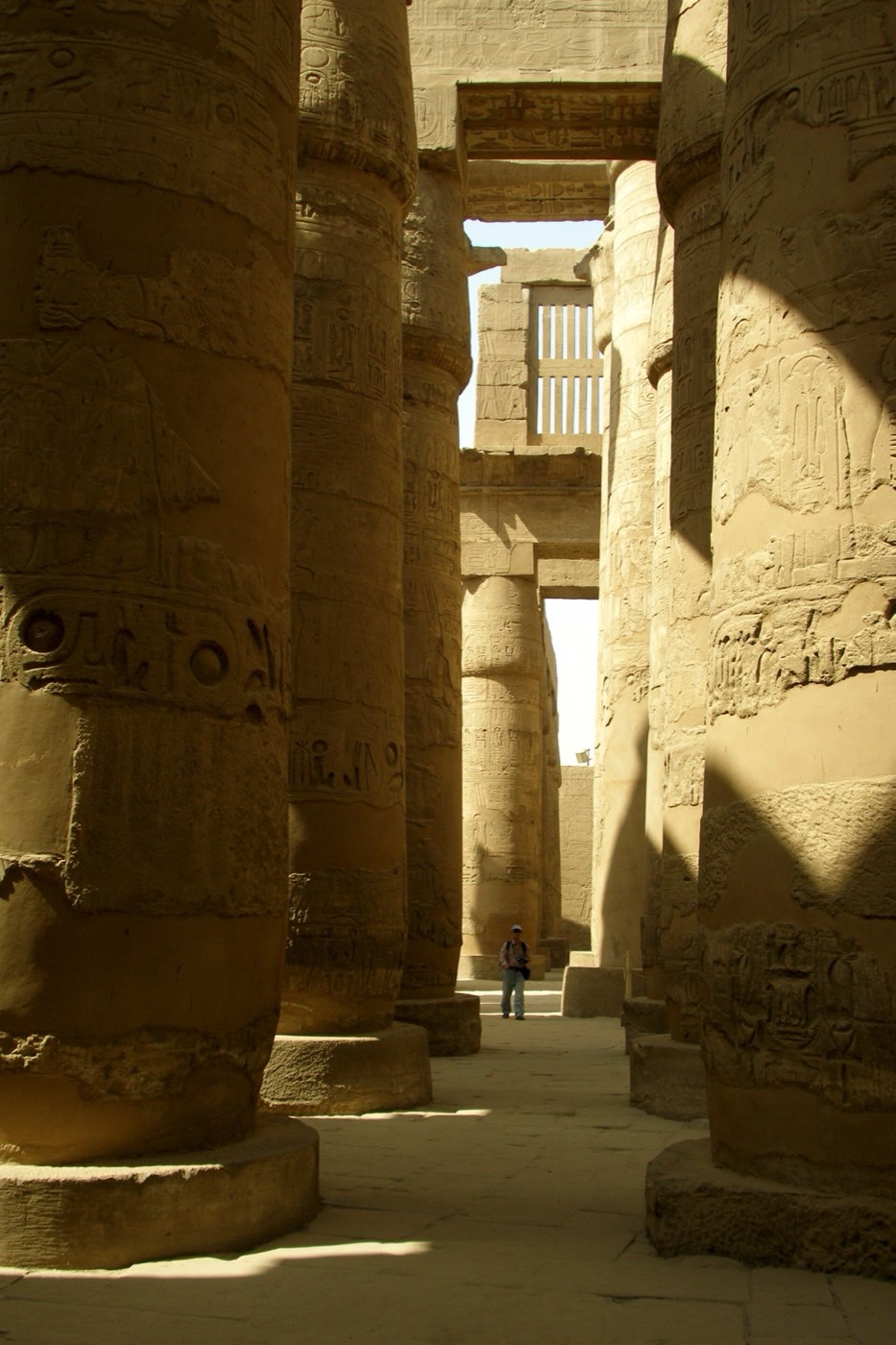
The Great Hypostyle Hall of Karnak Temple with massive columns
Luxor East Bank · Major

Card 014 — Karnak Temple Complex

Open 06:00–17:00 daily. Ticket EGP 450. Recommended 3 hours. Worth: arrive 06:45 for the first opening — the Hypostyle Hall is empty for forty minutes; the Sacred Lake; the open-air museum (separate small ticket, easily missed) which has the Akhenaten talatat block reconstruction. Skip: the evening sound-and-light unless your kids insist. Side door: the back path through the Khonsu temple is much shadier in summer. Last rotated March 2026 (N.H.).

Luxor card #014Read full card →
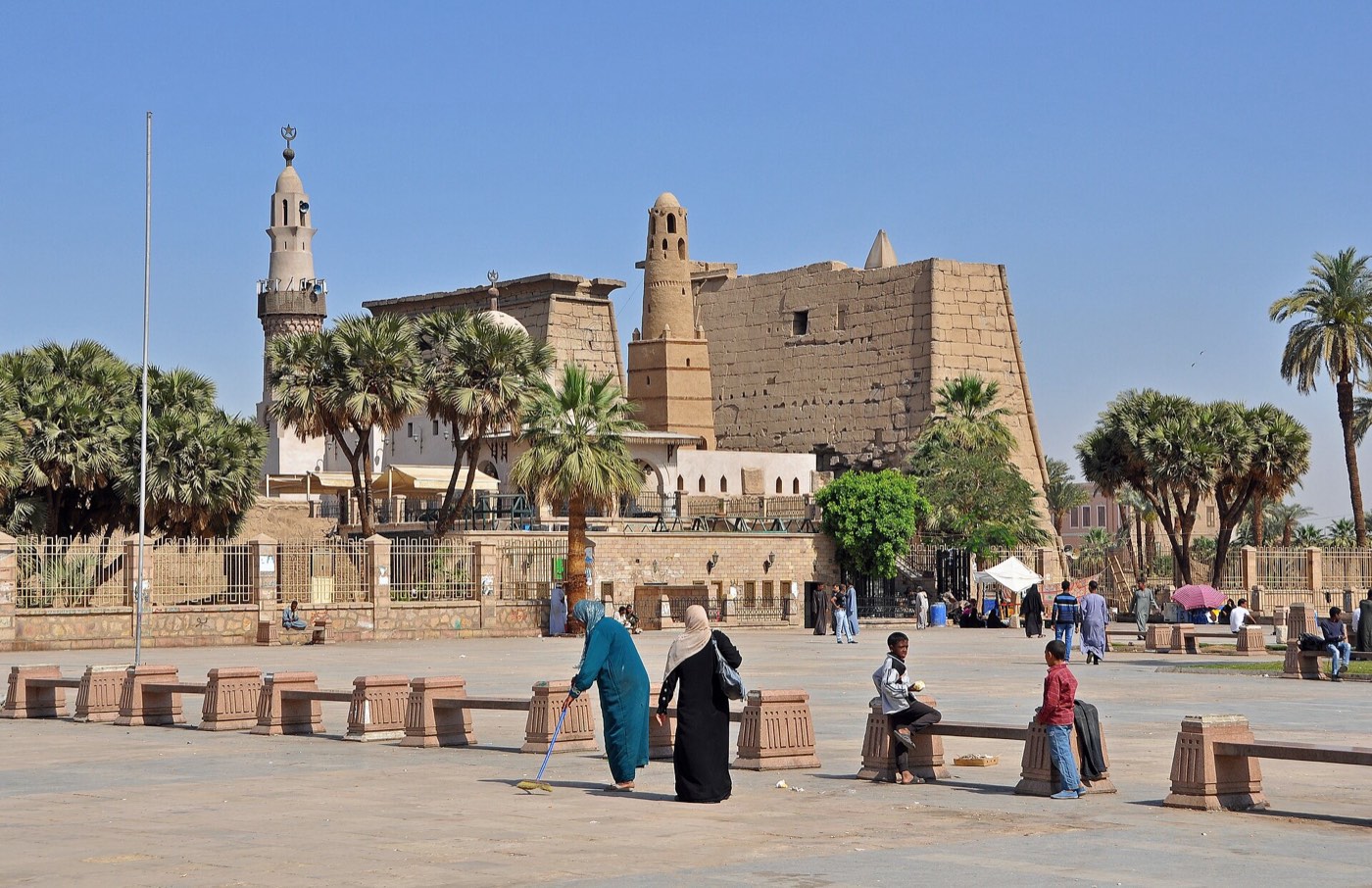
Luxor Temple square at the entrance pylon with obelisk
Luxor East Bank · Major

Card 016 — Luxor Temple, Corniche

Open 06:00–21:00 daily. Ticket EGP 300, combined Luxor + Karnak EGP 600 (save ~30%). Recommended 90 minutes. Worth: after dark when the columns are lit — go between 18:30 and 20:00. The Avenue of Sphinxes walks back to Karnak (closes at 22:00). Skip: 11:00–15:00 in summer — the open courtyards radiate heat. Last rotated April 2026 (N.H.).

Luxor card #016Read full card →
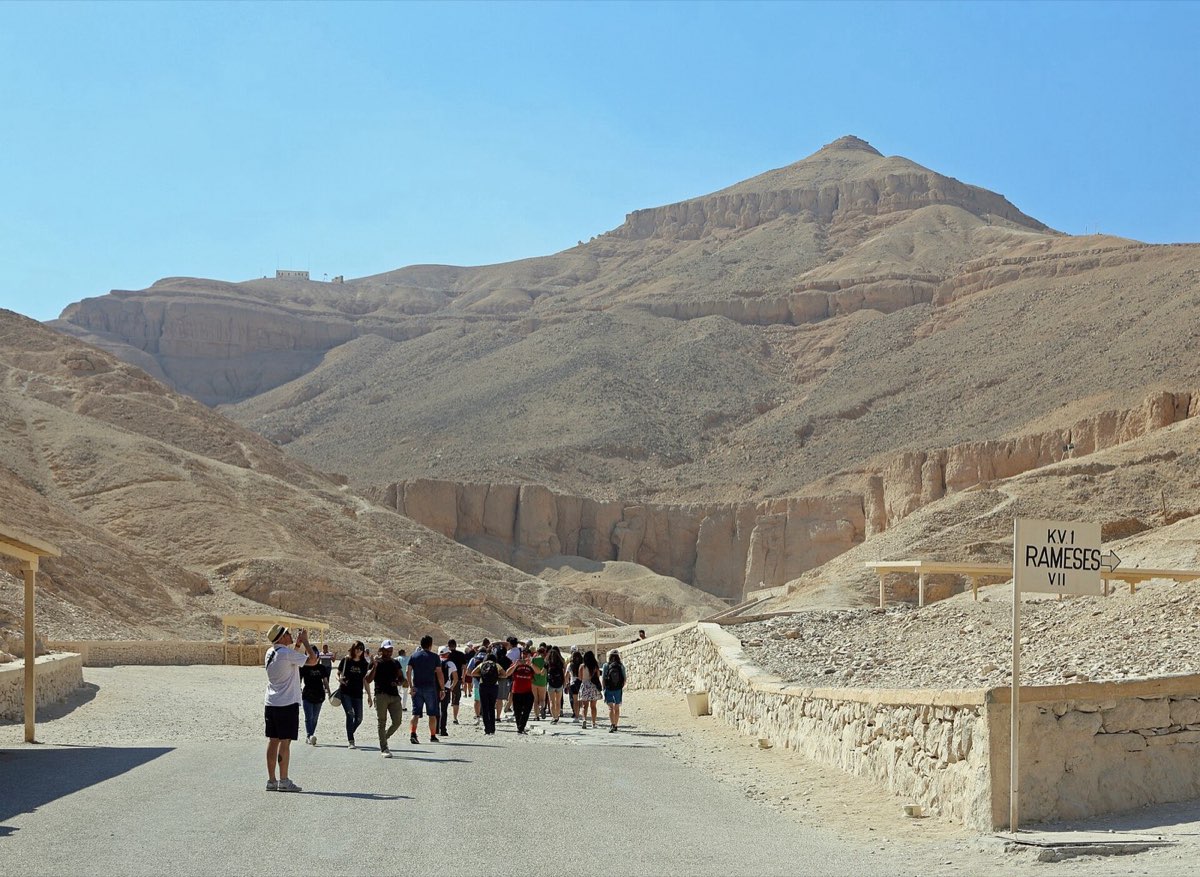
Entrance to a royal tomb at the Valley of the Kings on the Luxor west bank
West Bank Luxor · Major

Card 028 — The Valley of the Kings

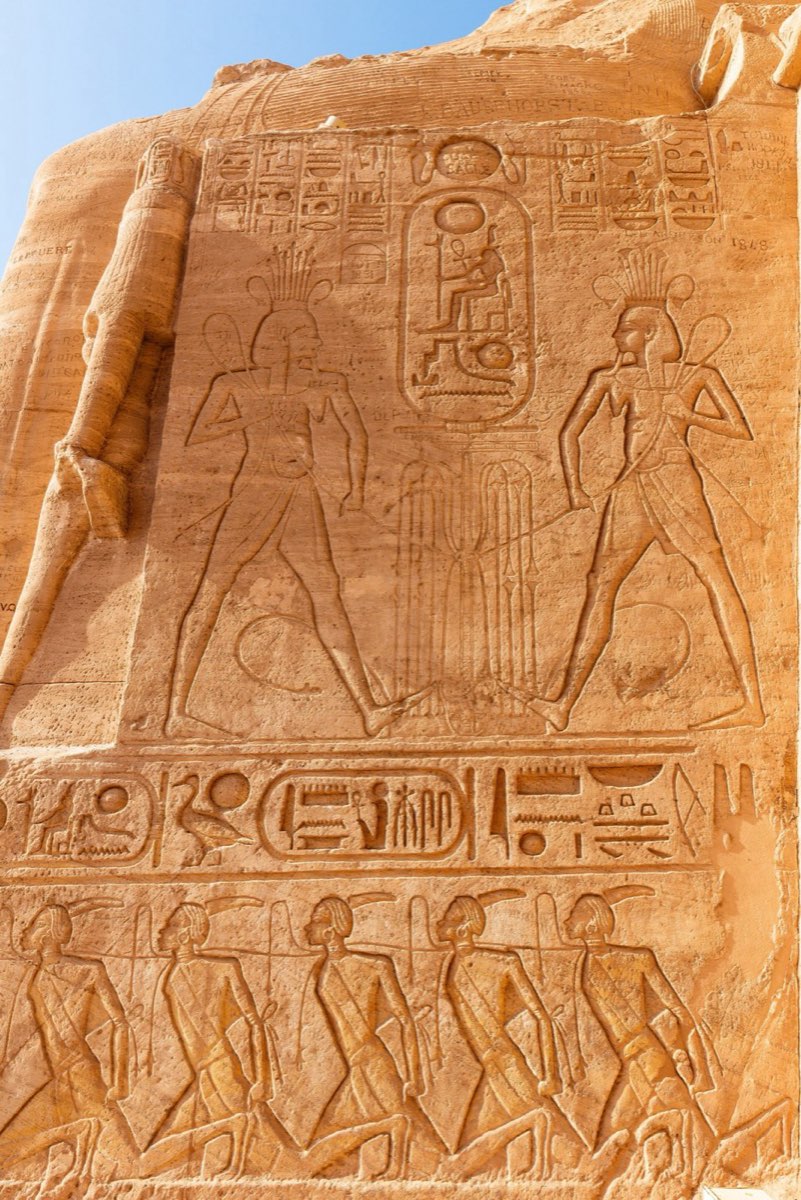
Open 06:00–17:00 daily. Ticket EGP 600 general (three tombs), supplements for Seti I (EGP 1,400 — worth it), Nefertari (EGP 1,400, in the adjacent Valley of the Queens), Tutankhamun (EGP 360 — skippable). Recommended 2½ hours. Worth: Seti I tomb is the longest and the best preserved of the open tombs; Ramses VI is the most-photographed; KV5 (Ramses II sons) is open intermittently and worth checking on the day. Skip: Tut's tomb — the chamber is tiny and the photographs you have already seen are better than the visit. Last rotated April 2026 (N.H.).

West Bank card #001Read full card →
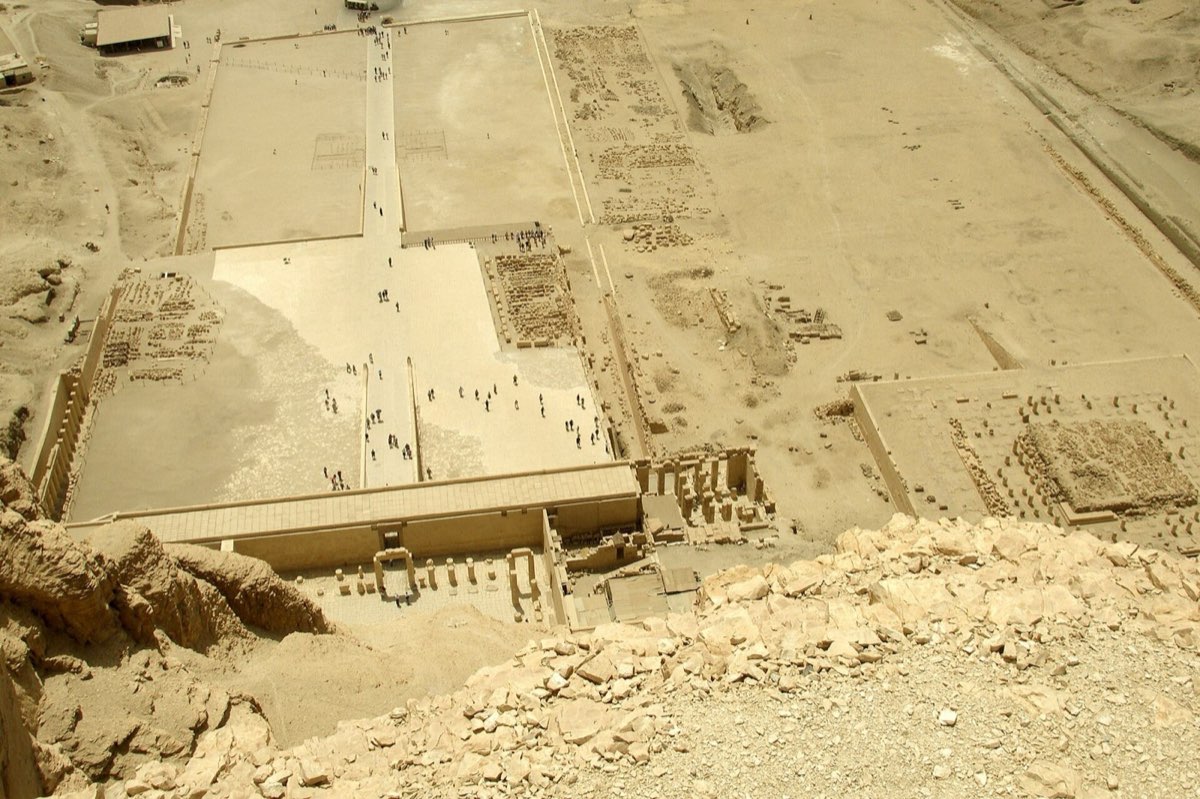
Terraced temple of Hatshepsut at Deir el-Bahari from the mountain trail
West Bank Luxor

Card 046 — Temple of Hatshepsut, Deir el-Bahari

Open 06:00–17:00 daily. Ticket EGP 360. Recommended 90 minutes. Worth: the middle terrace's Punt expedition relief, the chapel of Anubis on the upper terrace, the view back across the Theban necropolis. Skip: the long ground-level walk from the gate — pay the small shuttle fee. Note: almost no shade; visit before 09:00 or after 16:00 May–October. Last rotated March 2026 (N.H.).

West Bank card #003Read full card →
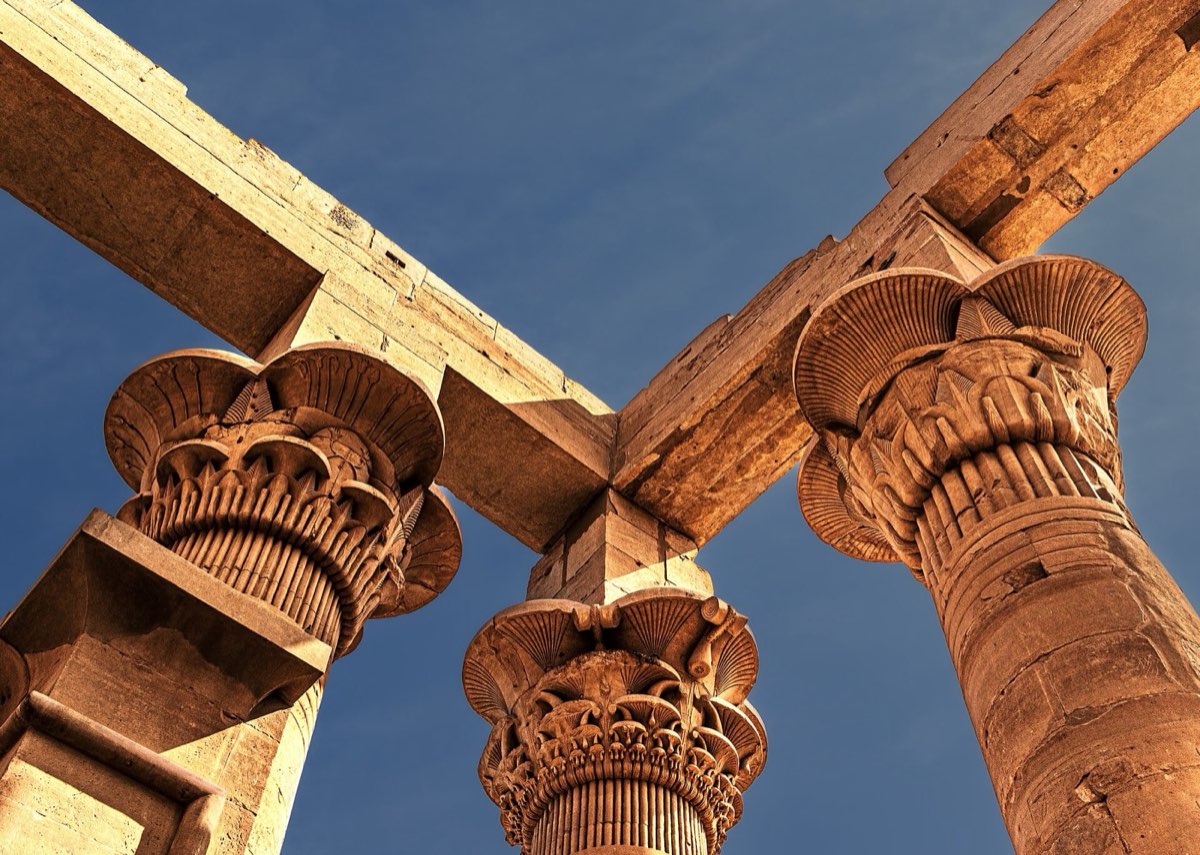
Carved columns at the Philae temple complex on Agilkia Island near Aswan
Aswan · Major

Card 041 — Philae Temple, Agilkia Island

Open 07:00–17:00 daily. Ticket EGP 450, plus EGP 350 boat fare (negotiate before boarding). Recommended 2 hours. Worth: the boat approach itself (the Hadrian's Gate from the water is the photograph), the late-afternoon light on the columns at 16:00–17:00, the small Augustus kiosk at the southern tip. Skip: the evening sound-and-light show. Last rotated February 2026 (N.H.).

Aswan card #002Read full card →
Colossal seated statues of Ramses II at the temple of Abu Simbel
Nubia · Major

Card 022 — Abu Simbel, Temple of Ramses II

Open 05:00–17:00 (early opening for the 04:00 convoy from Aswan). Ticket EGP 600 (combined Ramses II and Nefertari temples). Recommended 90 minutes on site. Worth: both temples (the smaller temple of Nefertari is often skipped and shouldn't be), the relocation history on the small information boards (the 1960s UNESCO move is part of the visit), the lake-side view. Skip: nothing — the site justifies the four-hour pre-dawn drive. Note: equinox solar-alignment ticket (22 Oct and 22 Feb) sells out three months ahead. Last rotated February 2026 (N.H.).

Nubia card #001Read full card →
Open-air temple of Medinet Habu on the Luxor west bank
West Bank Luxor

Card 053 — Medinet Habu, Mortuary Temple of Ramses III

Open 06:00–17:00 daily. Ticket EGP 200. Recommended 90 minutes. Worth: the Sea Peoples relief on the outer enclosure (the most complete battle-narrative relief in Egyptian art) and the small palace ruins south of the main court. Skip: nothing — this is the most undervisited major west-bank site in Luxor and it deserves better. Note: the colour is preserved on the upper portion of many wall scenes, more so than at Karnak. Last rotated March 2026 (N.H.).

West Bank card #007Read full card →
Hathor temple at Dendera with painted ceiling
Sohag · Day trip

Card 067 — Dendera, Temple of Hathor

Open 07:00–17:00 daily. Ticket EGP 200. Recommended 2 hours plus three-hour round-trip drive from Luxor. Worth: the painted astronomical ceiling of the hypostyle hall — the best-preserved colour programme on any temple ceiling in Egypt, restored to near-original brightness in the 2018–2021 cleaning campaign. Skip: nothing if you make the trip; everything if you do not have a full day. Pair with Abydos for a long but rewarding day from Luxor. Last rotated March 2026 (N.H.).

Sohag card #001Read full card →
Edfu Temple of Horus with the double pylon
Nile-cruise leg

Card 074 — Edfu, Esna, Kom Ombo

Three river-side temples that every Nile cruise stops at, and that you can also reach independently by train and taxi. Edfu (EGP 360, 90 min) is the most intact Ptolemaic temple in Egypt — the relief programme on the outer enclosure is complete. Esna (EGP 200, 30 min) is the smallest and the most damaged but the recent cleaning of the ceiling is striking. Kom Ombo (EGP 240, 60 min) is the double temple of Sobek and Horus, best at sunset; the small crocodile museum next door is included. Last rotated February 2026 (N.H.).

Nile card #001–003Read full card →
Bent Pyramid at Dahshur in the morning light
Memphis area · Half-day

Card 089 — Dahshur, the Bent and the Red Pyramids

Open 08:00–17:00 daily. Ticket EGP 100 (the cheapest pyramid ticket in Egypt). Recommended 90 minutes combined with Saqqara. Worth: walking the Red Pyramid interior (the slope is mercifully gentle, 60 m descent), the Bent Pyramid exterior (you cannot enter), the view from the Red Pyramid causeway. Skip: nothing — Dahshur is the most under-visited major pyramid site in Egypt and the lack of tour buses is the entire point. Note: pair with Saqqara and Memphis for the classic half-day from Cairo. Last rotated March 2026 (S.M.).

Memphis card #002Read full card →

Twelve recurring questions, briefly answered

The questions the desk hears most often about open-air pharaonic sites, condensed. Longer treatments are on individual cards and in the prep notes.

Do I need a guide for the open-air sites?

Mostly no. For Karnak, Luxor Temple, the pyramids and Dahshur a good printed guide and a steady pace produce a better visit than a generic group-tour commentary. The exceptions are Abydos (where the relief programme genuinely benefits from explanation) and the Valley of the Kings if you want to understand the iconography of the specific tomb you are in. We name particular guides in the relevant cards when they earn the recommendation; otherwise, the touts at the gate are best politely refused.

When is the heat actually dangerous?

Late June through August at midday is genuinely hazardous at open-air sites south of Cairo. The Valley of the Kings and Hatshepsut in particular are exposed and the rock radiates heat after about 11:00. Visit before 09:00 or wait until 16:00. Karnak is shadier on the inside but the Sacred Lake circuit is still unpleasant in August at noon. The cards carry season-specific advisory notes; the season guide has the full month-by-month picture.

Is the Khufu pyramid interior worth the supplement?

If you have never been inside an ancient Egyptian pyramid, yes — the Grand Gallery is structurally remarkable even after thirty centuries. If you have already done the Red Pyramid at Dahshur the Khufu interior is less interesting per unit of supplement, and the Khufu air is famously stale. The Khafre interior is the under-recommended alternative — fewer queues, similar experience.

How does the Nile cruise compare to driving the temples independently?

The cruise is the easier and more pleasant way to do Edfu, Esna and Kom Ombo because the sites are otherwise tedious to reach and the on-board logistics are handled. The cruise is the wrong way to do Luxor and Aswan as your only visit, because the schedule rushes the temple time. The honest pattern is: cruise the river leg, then add two or three extra nights in Luxor and Aswan around it.

Photography rules — what changed in 2024?

The unified-camera-ticket system replaced the old per-site camera fees in early 2024. Most sites now sell a EGP 50–100 photography permit at the entrance that covers still photography across the day's visit. Video and tripods still require separate permits and are restricted in many tombs. Nefertari's tomb in particular has new rules from April 2026 — no photography of any kind, with a strictly enforced bag drop at the entrance. The cards reflect the current rules at last rotation.

What is the side-door trick at Karnak about?

The main entrance to Karnak runs along the ram-headed sphinx avenue and is hot and exposed in summer. There is a small staff/visitor side gate to the north of the main complex that drops you near the open-air museum and the small Khonsu temple, both of which are quieter and shadier than the standard route. The card explains where to find it; ask the gate guard politely and the answer is almost always yes.

The realistic temple-and-tomb week from Cairo

If you have a working week — Sunday to Thursday in Egyptian working time — and you want to see the headline sites without rushing, the pattern the desk recommends is below. It is not luxurious and not stretched; it is the version we would do ourselves.

  • Day 1 — Cairo arrival, lightArrive Cairo, late lunch, evening at Khan el-Khalili. No sites on day one.
  • Day 2 — Giza plateau06:45 to the plateau, four hours of pyramids and Sphinx, late lunch on Pyramids Road, GEM in the afternoon (three hours focused on Tutankhamun wing).
  • Day 3 — Saqqara and DahshurSaqqara morning, Dahshur after lunch (cooler in the afternoon). Back in Cairo for dinner.
  • Day 4 — Travel southMorning flight to Luxor, afternoon Luxor Museum (evening session at 17:00), early dinner.
  • Day 5 — Luxor east bank06:45 Karnak (three hours), late breakfast, Luxor Temple at sunset.
  • Day 6 — Luxor west bank06:00 cross to west bank, Valley of the Kings, Hatshepsut, Medinet Habu, back at hotel by 14:00 for the heat. Felucca at sunset.
  • Day 7 — Aswan and PhilaeMorning train to Aswan, afternoon Philae boat, evening Nubian Museum.
  • Day 8 — Abu Simbel convoy04:00 convoy south, back in Aswan by 14:00, late lunch, evening felucca on the Nile.
  • Day 9 — Return CairoMorning flight back to Cairo, afternoon at the Tahrir Egyptian Museum (the post-GEM version), evening flight home.

The pattern is dense but not punishing because most of the heavy walking happens before 10:00. Sleep is the real constraint, not site fatigue. Pair this section with the day itineraries for the city loops, with the top collections page for the museum component, and with city cards for hotel zones and airport logistics. The season guide tells you which months actually allow this pace and which ones require slowing to two-thirds of it.

Sites change. Cards track the change.

The west bank rotation runs in March and September. The Cairo and Giza rotation runs quarterly. If a tomb closes or a temple supplement changes, the affected card carries a correction note at the top within a week, and Notes Plus subscribers see the change in the following monthly compendium.

Subscribe for the offline PDF